
 High-Voltage Power Requirement
Heavy-duty applications require high power and torque. Low-voltage systems draw high current, increasing cost and complexity, so OEMs are switching to higher voltage architectures.
High-Voltage Power Requirement
Heavy-duty applications require high power and torque. Low-voltage systems draw high current, increasing cost and complexity, so OEMs are switching to higher voltage architectures.
 On-Board Charging Constraints
On-board charging compensates for inconsistent access to DC Fast Charging infrastructure, but creates space, weight, durability, thermal, and safety constraints.
On-Board Charging Constraints
On-board charging compensates for inconsistent access to DC Fast Charging infrastructure, but creates space, weight, durability, thermal, and safety constraints.
 Durability Requirements
Harsh environments (e.g., dust, liquid, heat, vibration) demand higher levels of ingress protection and thermal regulation. Fan-cooled units have technical & cost limitations, creating potential failure points.
Durability Requirements
Harsh environments (e.g., dust, liquid, heat, vibration) demand higher levels of ingress protection and thermal regulation. Fan-cooled units have technical & cost limitations, creating potential failure points.
 System Complexity
Sourcing systems and components from different suppliers raises costs, integration complexity, and validation difficulty—and lowers accountability.
System Complexity
Sourcing systems and components from different suppliers raises costs, integration complexity, and validation difficulty—and lowers accountability.
 Interoperability Mandate
Interoperability issues across charging standards and vendors lead to field failures.
Interoperability Mandate
Interoperability issues across charging standards and vendors lead to field failures.
 Global Compliance
International and regional standards (e.g., NA/EU/China, ISO, IEC, J-standards) require constant engineering adaptation to maintain compliance.
Global Compliance
International and regional standards (e.g., NA/EU/China, ISO, IEC, J-standards) require constant engineering adaptation to maintain compliance.
 Reduce system complexity and cost
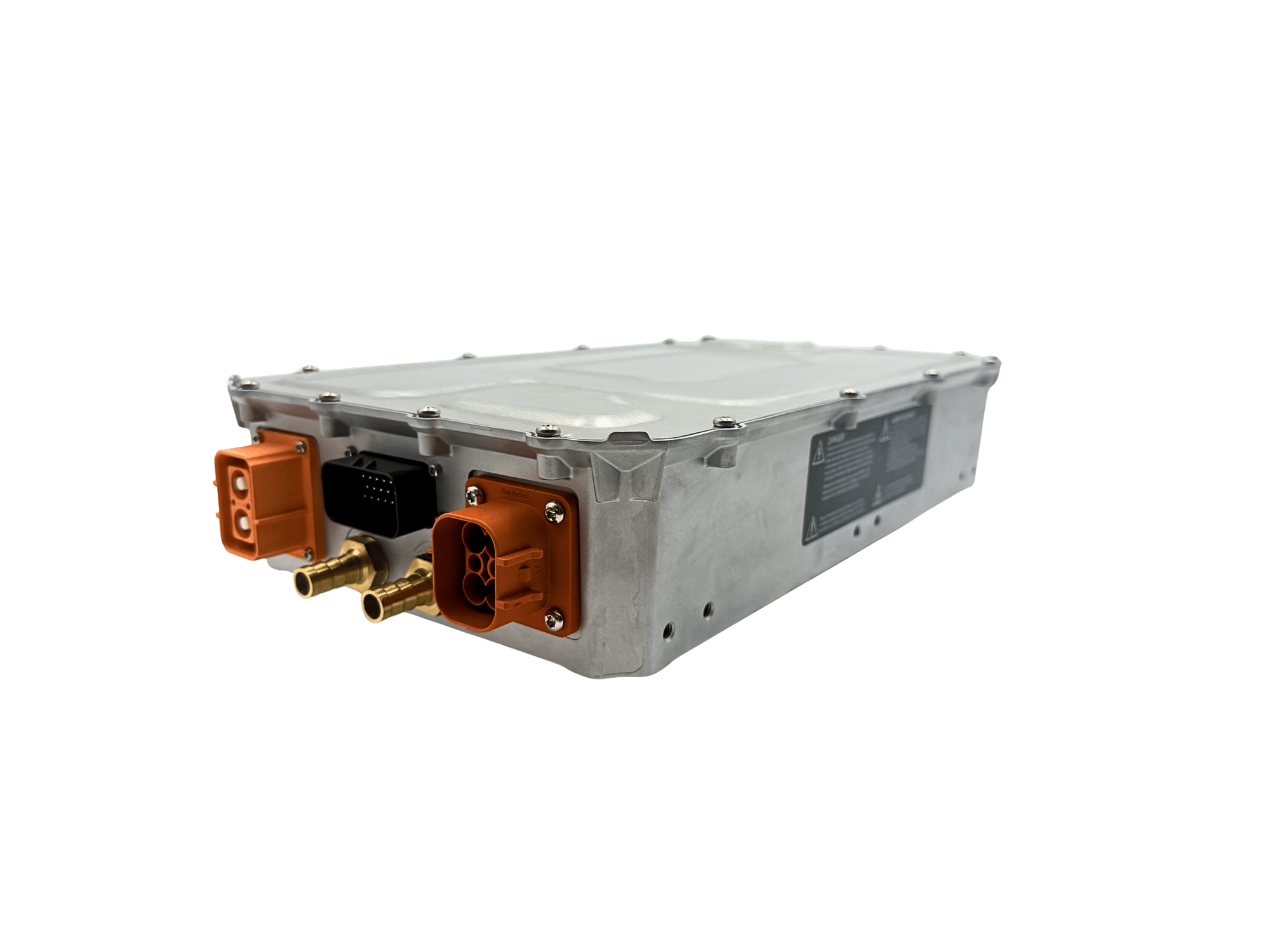
One enclosure with multiple charging functions minimizes boxes, interfaces, wiring harnesses, and integration time.
Reduce system complexity and cost
One enclosure with multiple charging functions minimizes boxes, interfaces, wiring harnesses, and integration time.
 Market & portfolio expansion
OEMs have the flexibility to grow into new segments, optimize space, and accelerate their roadmap with Delta-Q’s comprehensive range of compact, on-board high-voltage charging portfolio.
Market & portfolio expansion
OEMs have the flexibility to grow into new segments, optimize space, and accelerate their roadmap with Delta-Q’s comprehensive range of compact, on-board high-voltage charging portfolio.
 Boost reliability in harsh environments
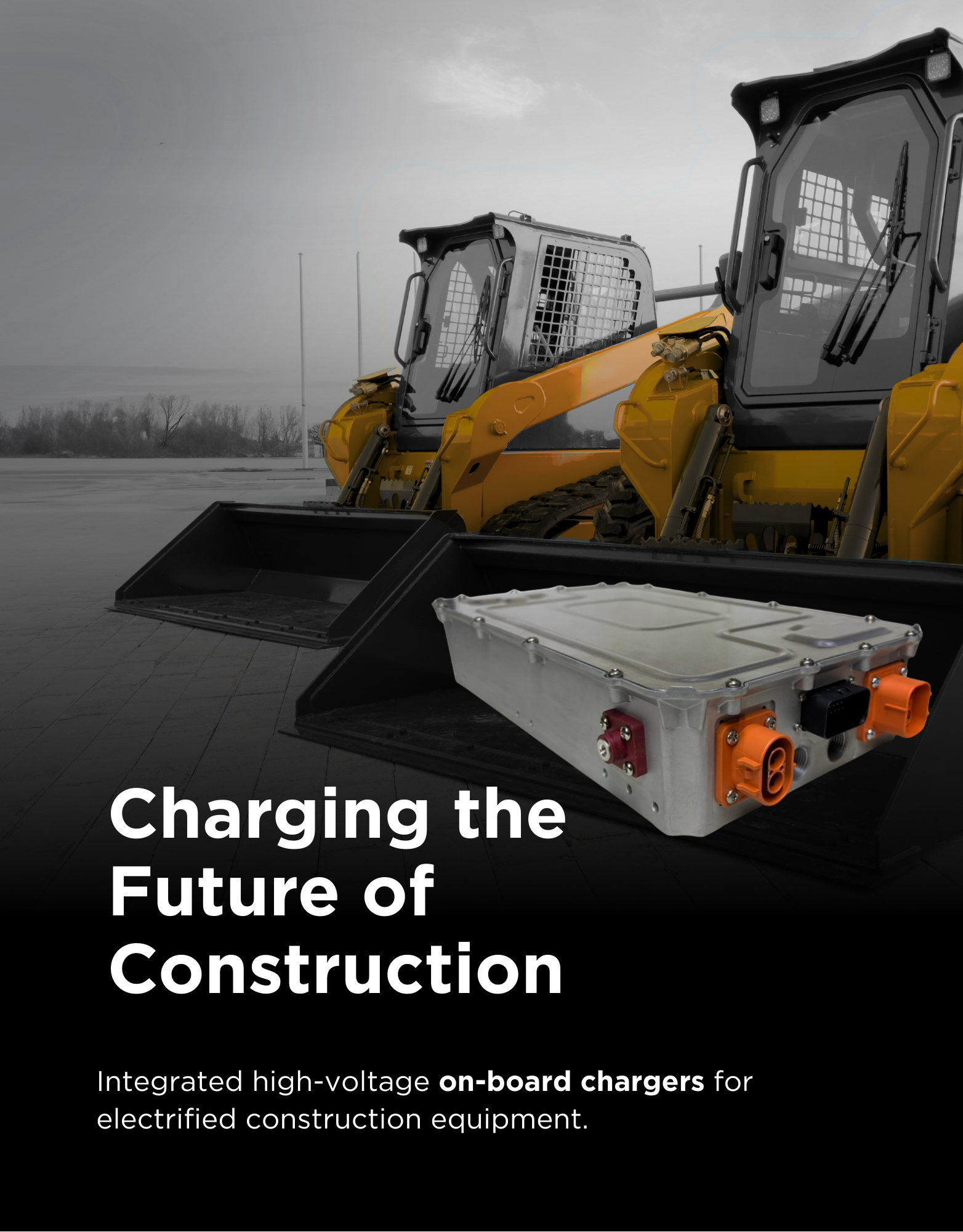
Liquid-cooled high-voltage chargers improve thermal regulation, enabling a single coolant loop that simplifies the overall thermal architecture.
Boost reliability in harsh environments
Liquid-cooled high-voltage chargers improve thermal regulation, enabling a single coolant loop that simplifies the overall thermal architecture.
 Faster validation & time-to-market
Tested with multiple EVSE and inlet vendors, and aligned with NA and EU technical and compliance standards, Delta Q’s high-voltage charging solutions reduce the risk of late program redesign.
Faster validation & time-to-market
Tested with multiple EVSE and inlet vendors, and aligned with NA and EU technical and compliance standards, Delta Q’s high-voltage charging solutions reduce the risk of late program redesign.
 Deliver future-ready architecture
All charging solutions are designed and engineered to support evolving charging protocols and global requirements.
Deliver future-ready architecture
All charging solutions are designed and engineered to support evolving charging protocols and global requirements.
Construction

Agriculture
.png?width=127&height=127&name=Agriculture%20(1).png)
Material Handling
Mining